
Foundations, sponsors, public bodies and patrons fund museums because they believe in what a collection means. The hard part is showing, afterwards, what that money became. A certified digital collection gives funders something rare in culture: a result they can see, measure and point to.
The problem with intangible results
Support for culture is often reported in soft terms: visitors reached, events held, a restoration completed. All true, all valuable, and all hard to compare from one year to the next. A board that funds a museum would like to know what the institution owns and protects better because of that grant.
A digitized collection is an asset, not an expense
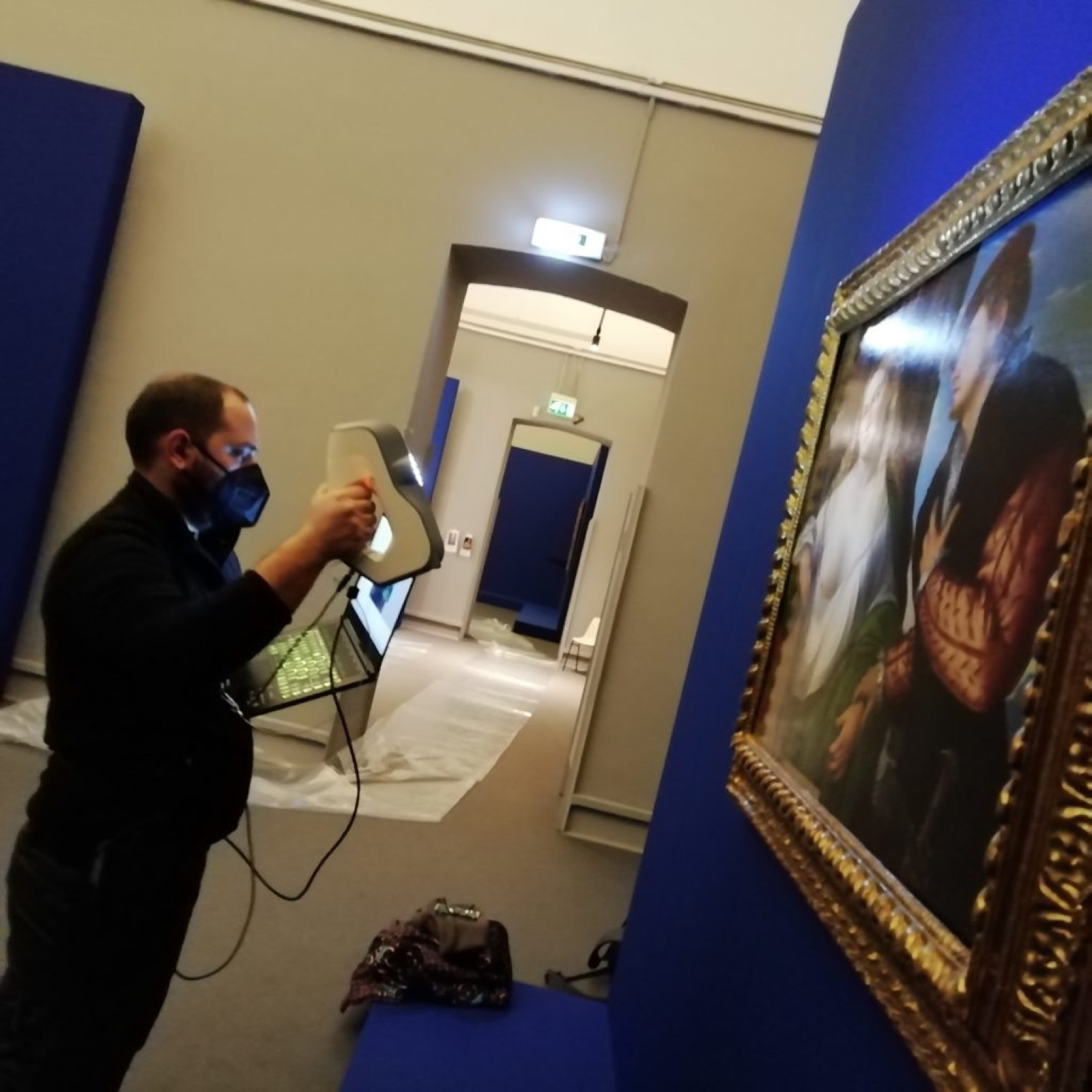
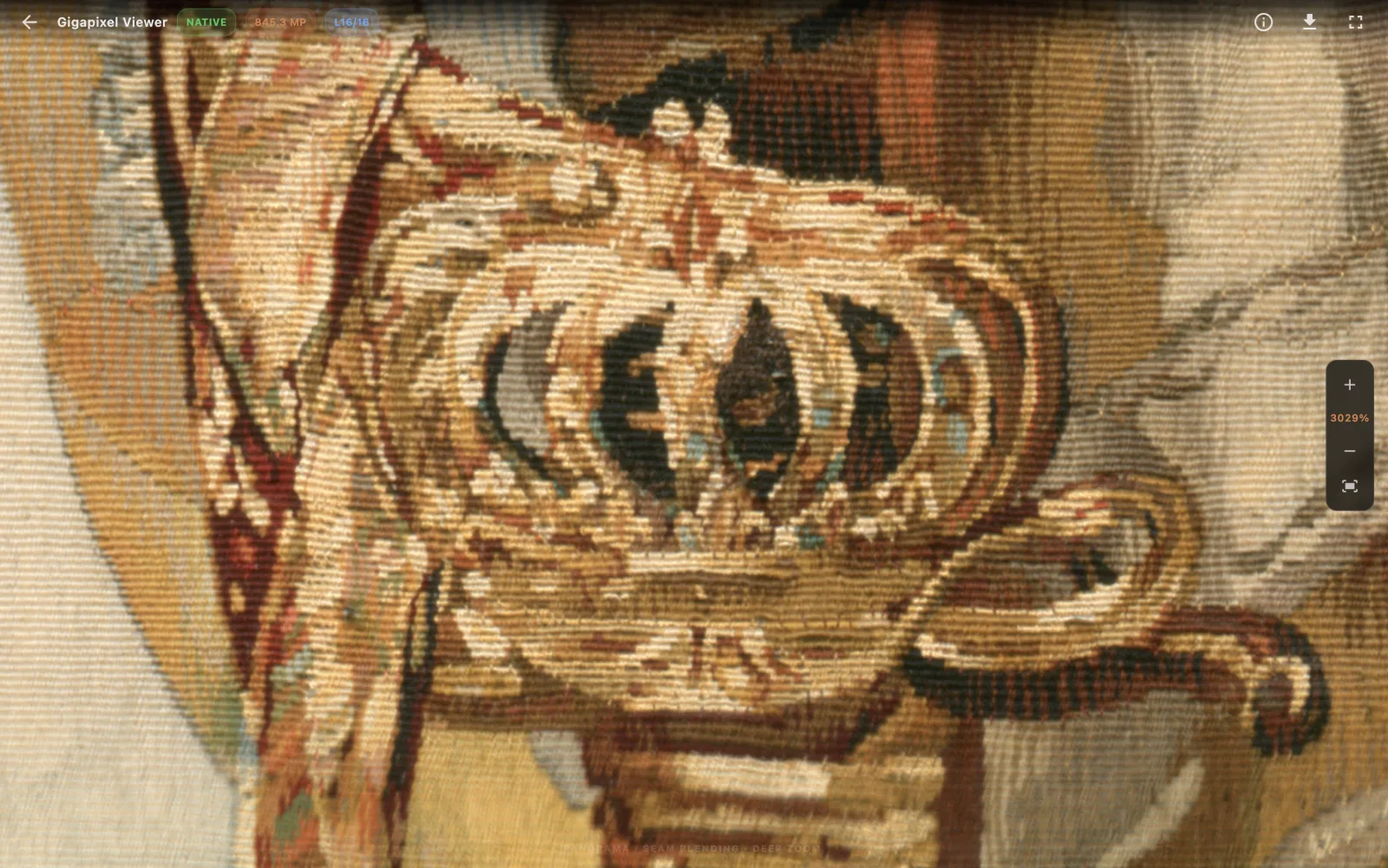
When an artwork is captured with the AerariumChain kit, the result is a certified digital twin: 3D geometry down to 0.05 mm, 400-megapixel photography, and the fingerprint of every file notarized on a public blockchain at the moment of capture. Each twin is registered in the museum's HUB with its date, its versions and its approvals. For a funder this means a grant translates into numbers anyone can verify:
- how many works were digitized, and when;
- which of them are now monitored over time with CARE;
- which ones reach the public through totems, renders, prints and the online collection (SHOW);
- what support those works raise in turn through FUND.
The museum owns all of it. AerariumChain operates the infrastructure and acquires no rights over the collection, ever (security and data sovereignty).
Protection you can document
A twin is also insurance against loss. If an artwork is damaged, its measured state before the event exists, with a certain timestamp. Funding the digitization of a collection is funding its memory in the most literal sense, and that memory has evidential value for loans, transport and insurance claims.
Want to see what a grant can concretely produce?
Support that does not end with the first donation
FUND turns the twin into campaigns with a real goal, such as a restoration, an acquisition or an exhibition, with progress visible on the artwork itself. A QR code under the work in the gallery lets visitors meet the twin and join the campaign. Supporters collect experiences of the twin, not rights over the artwork, and the instruments are designed to comply with EU regulation (MiCAR) as utility instruments. A funder can open the way: back the digitization first, then watch the public sustain the works over time.
What to ask before you fund
- Will the result be owned by the institution, in open formats, exportable at any time?
- Will each output be dated and verifiable, so it can be reported to my board?
- Will the twins be used, by conservators, curators and the public, or only archived?
- Is there a path from one-off funding to recurring support?
With AerariumChain the answer to all four is yes. More than 10,000 artworks in over 70 collections have already been digitized and notarized this way (see where). If you fund museums and want to see what a grant can concretely produce, talk to us: we can show you live twins and the reports a funded project generates.