
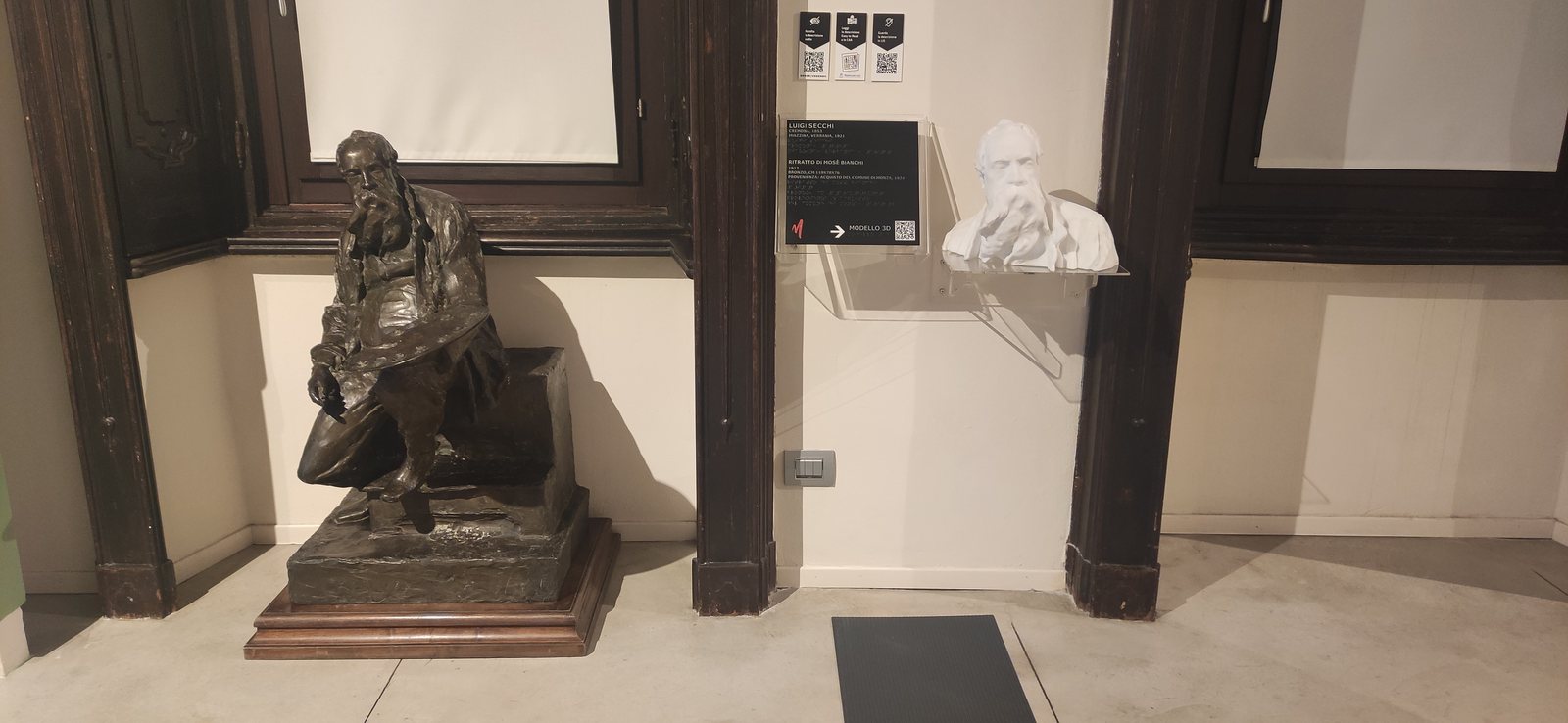
For a curator, a collection is a set of stories waiting for an audience. The obstacle is rarely ideas: it is photography budgets, scaffolding, print vendors and screens that nobody on the team can update. Once an artwork has a certified digital twin in the AerariumChain HUB, most of those obstacles go away.
One twin, every surface
A twin captured with the AerariumChain kit is not a quick 3D model. It is geometry down to 0.05 mm with 400-megapixel photography, notarized and kept in the HUB next to the artwork's record. Everything a curator needs to put the work in front of people can be generated from it, again and again, without returning to the object. That is what SHOW does.
Video renders and images for print, without a photo set
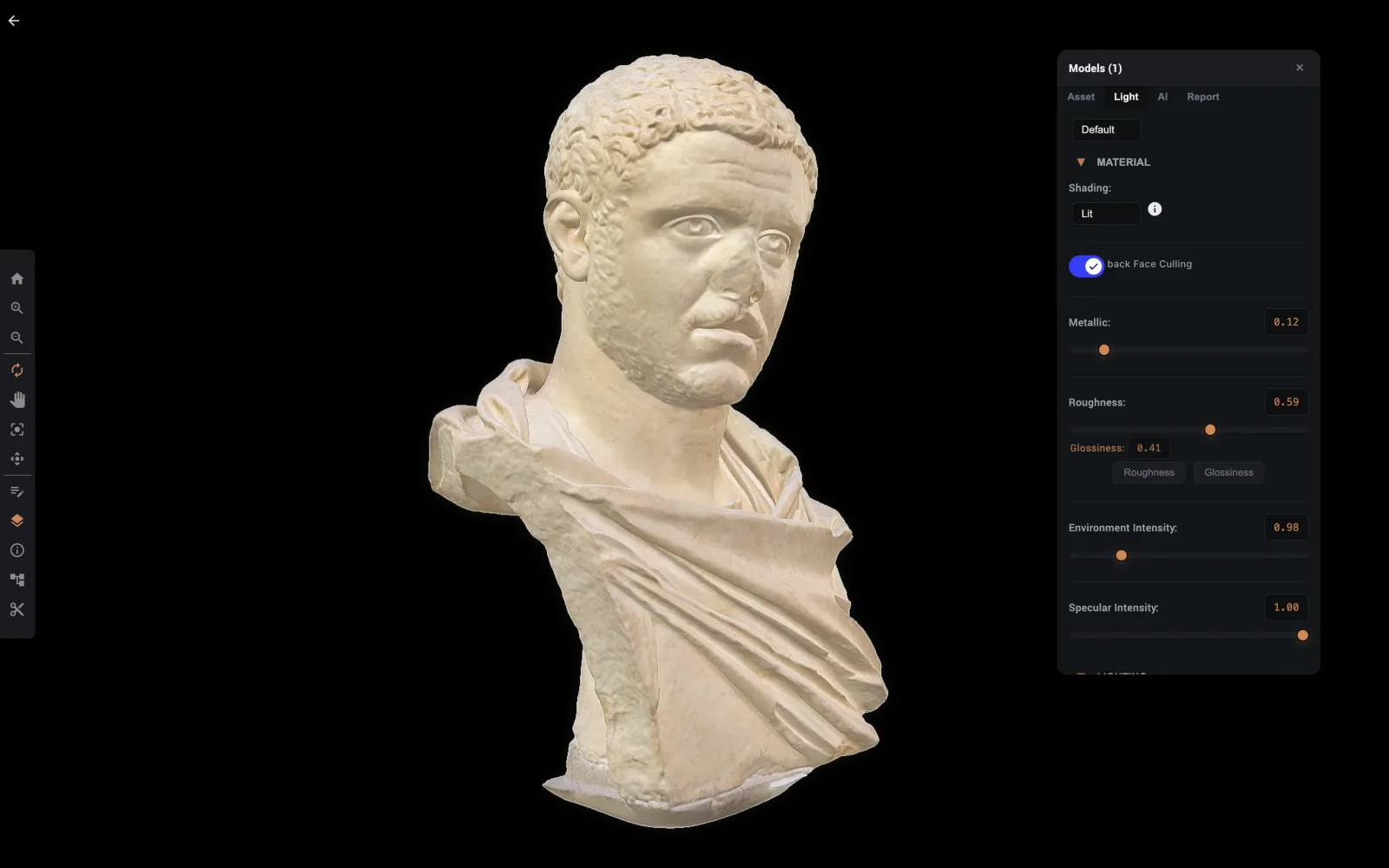
Exhibition design, catalogs, press kits, social media, wall graphics: each usually means a new shoot or a request to the photo archive. From the twin you generate video renders and high resolution images in a few clicks, from the angle and with the light the project needs. A detail you never photographed, a raking light that shows the brushwork, a slow orbit around a sculpture for the exhibition trailer: they all come from the same certified source, so the image in the catalog and the one on the screen are consistent.
3D prints of high quality, for real uses
A good 3D print is skilled work, often artisanal. From the 3D Print app in the HUB you start from a model in your collection and describe what you need. Certified workshops of the AerariumChain network compete with their quotes: you compare price and lead time, pay by card, bank transfer or MePA, and follow production and shipping in the same place. Curators use prints for:
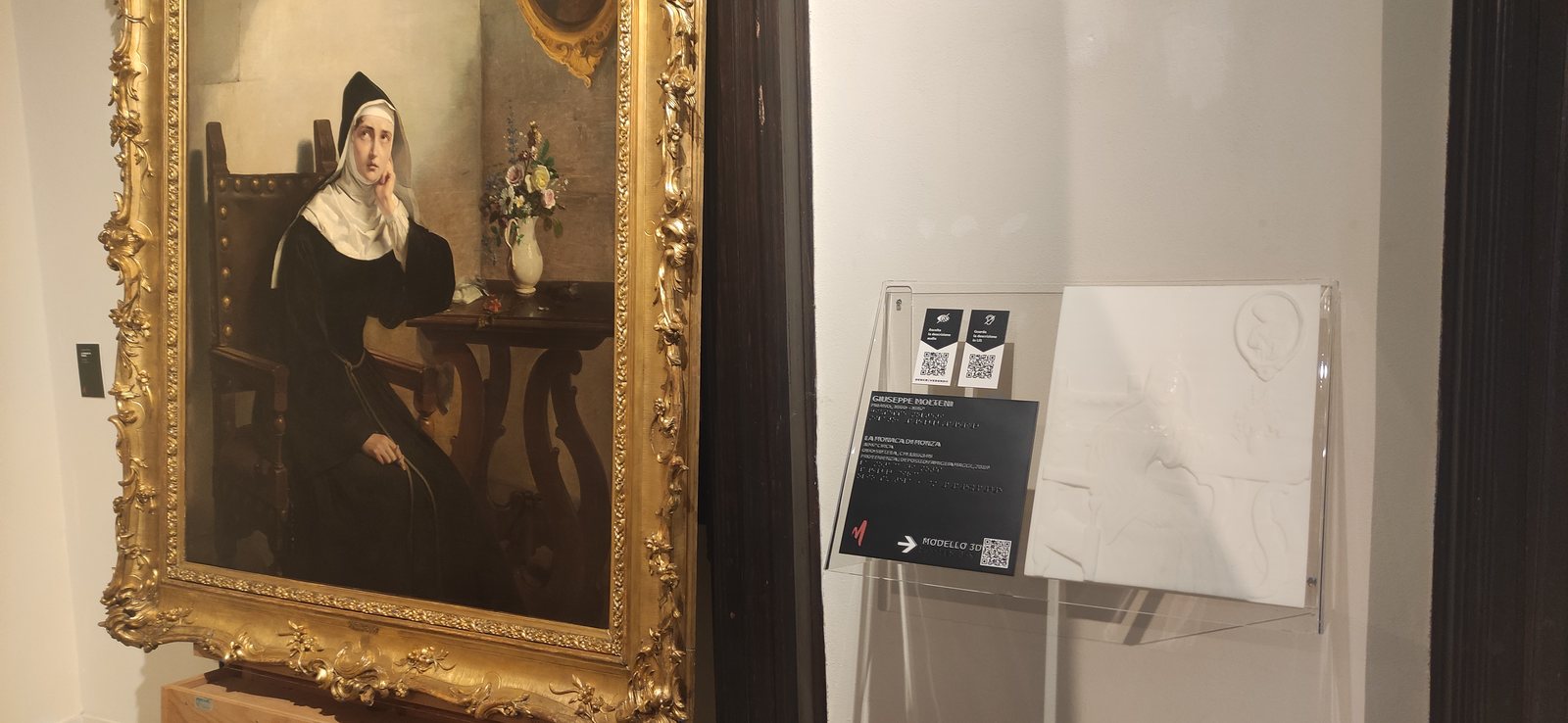
- tactile copies with Braille labels for blind and partially sighted visitors, and for richer guided visits;
- replicas that replace a work during a loan or a restoration, so the room does not lose its story;
- study models for exhibition design and lighting tests;
- limited editions, gifts for donors and products for the museum shop.
Because the print starts from the measured twin and not from photographs, proportions and surface detail stay faithful to the original. And the twin never leaves AerariumChain: workshops quote on an image and on measurements, and the one you choose receives a print-ready file prepared for that order only, unique and traceable.
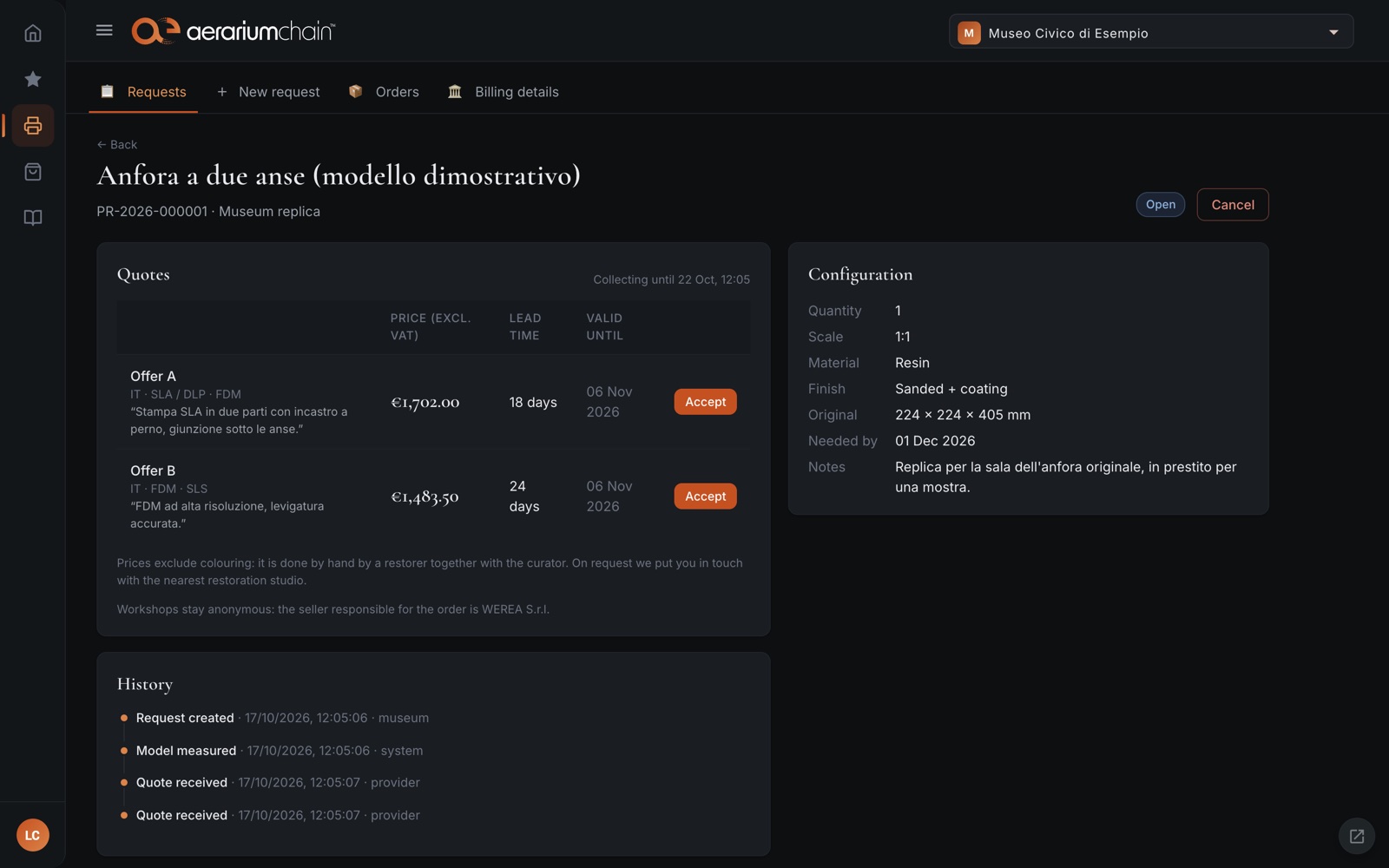
Prints arrive as printed or sanded. Colouring is done by hand, and moving from the digital model to manual work can shift tone and colour: it is best left to an expert restorer working with the curator. On request we put you in touch with the nearest restoration studio. Step by step: the 3D Print guide.
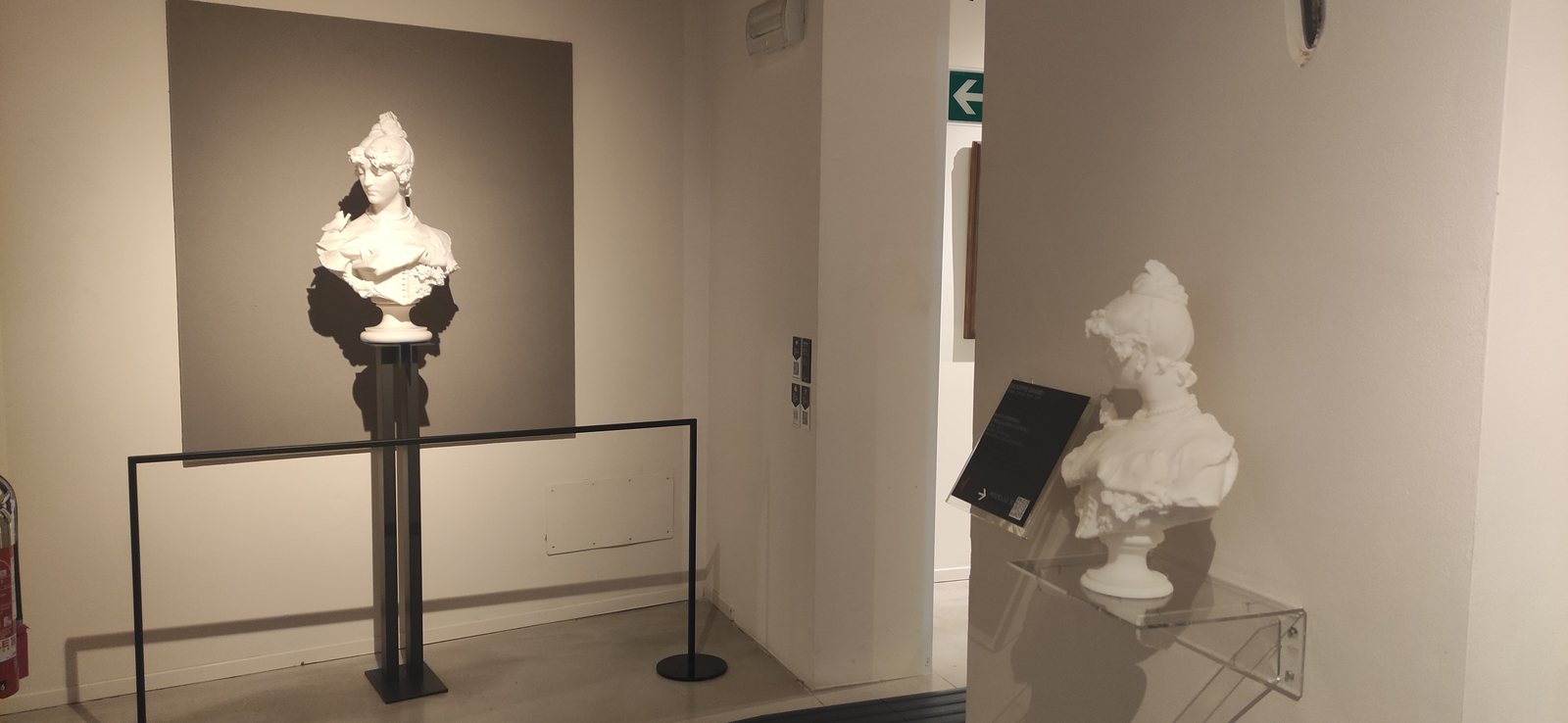
See what SHOW can produce from your collection.
Interactive totems you run yourself
Many museums have touchscreens that show the same content for years, because changing it means calling the agency that built them. With the totem apps from the HUB store, the curatorial team creates the content: visitors explore the twin down to the finest detail, open a gigapixel surface, compare front and back, read the curator's notes pinned to the geometry. When the exhibition changes, the totem changes, from the HUB, the same day.
XR and the online collection
The same twins feed AR and VR experiences, generated in minutes with apps from the store, and an online collection with 3D and gigapixel viewing that you embed in the museum website with a snippet. Access is a setting: a twin can be shared with one scholar, shown to members or opened to everyone.
Why this matters for curatorial work
The point is not technology for its own sake. It is that every new exhibition, catalog or educational project starts from material you already own, at the highest quality, without new costs for each output. The curator decides what to show and how; the twin takes care of the rest. To see what SHOW could produce from works in your collection, ask for a demo.