
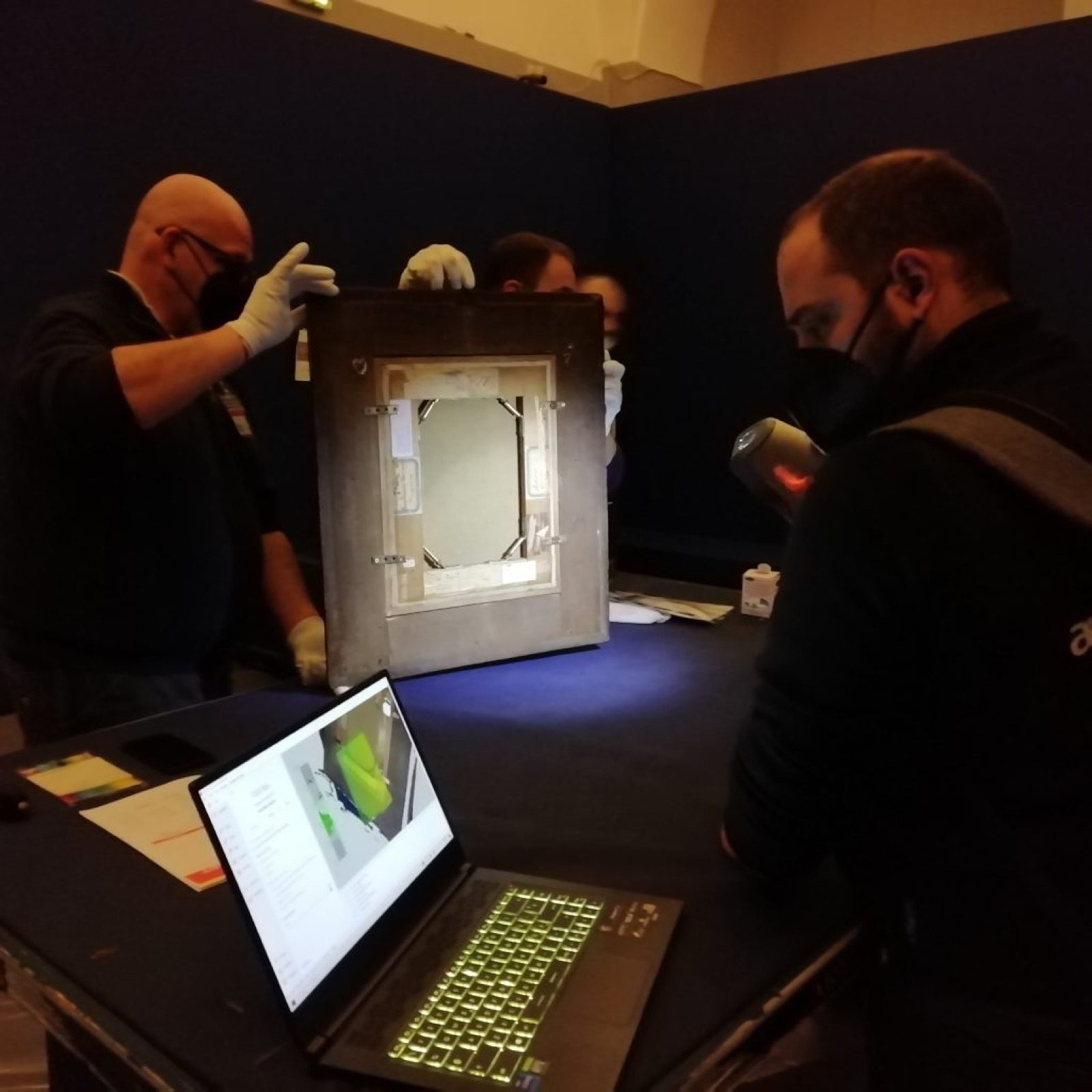
Digitizing a collection is not a software purchase. It is people in your galleries, in your storage, at your loading dock, working around your schedule. That is why museums in the United States and Canada can now work with AerariumChain Corp., our North American company, and with a dedicated team on the ground.
Why proximity matters for a museum
A museum that starts digitizing its collection needs answers fast and in its own working day: when can the operator come back, how do we scan the works that cannot leave storage, what do we show the board next month. A partner six or nine time zones away can do excellent work, but every question costs a day. Being close means the conversation happens in the same morning, and an on-site problem gets solved on site.
It also means understanding how North American museums actually work: the weight of the registrar and of the loan agreement, the role of development offices and of the board, the expectations of insurers and lenders, the rhythm of exhibitions and touring shows.
A local company, the same platform
AerariumChain Corp. is the North American company of the group, a subsidiary of Werea Srl, the Italian company that built the AerariumChain technology. For a museum this has very practical consequences:
- A US counterpart. Contracts, invoices and support come from a US company, which simplifies procurement for institutions used to working with local vendors.
- A team on the territory. Operators and project managers who can be in your galleries, plan a campaign with your staff and stay close for the whole project.
- Data in the United States. US collections are hosted on US infrastructure, encrypted in transit and at rest; when required, storage and processing can stay on the museum's own hardware (security and data sovereignty).
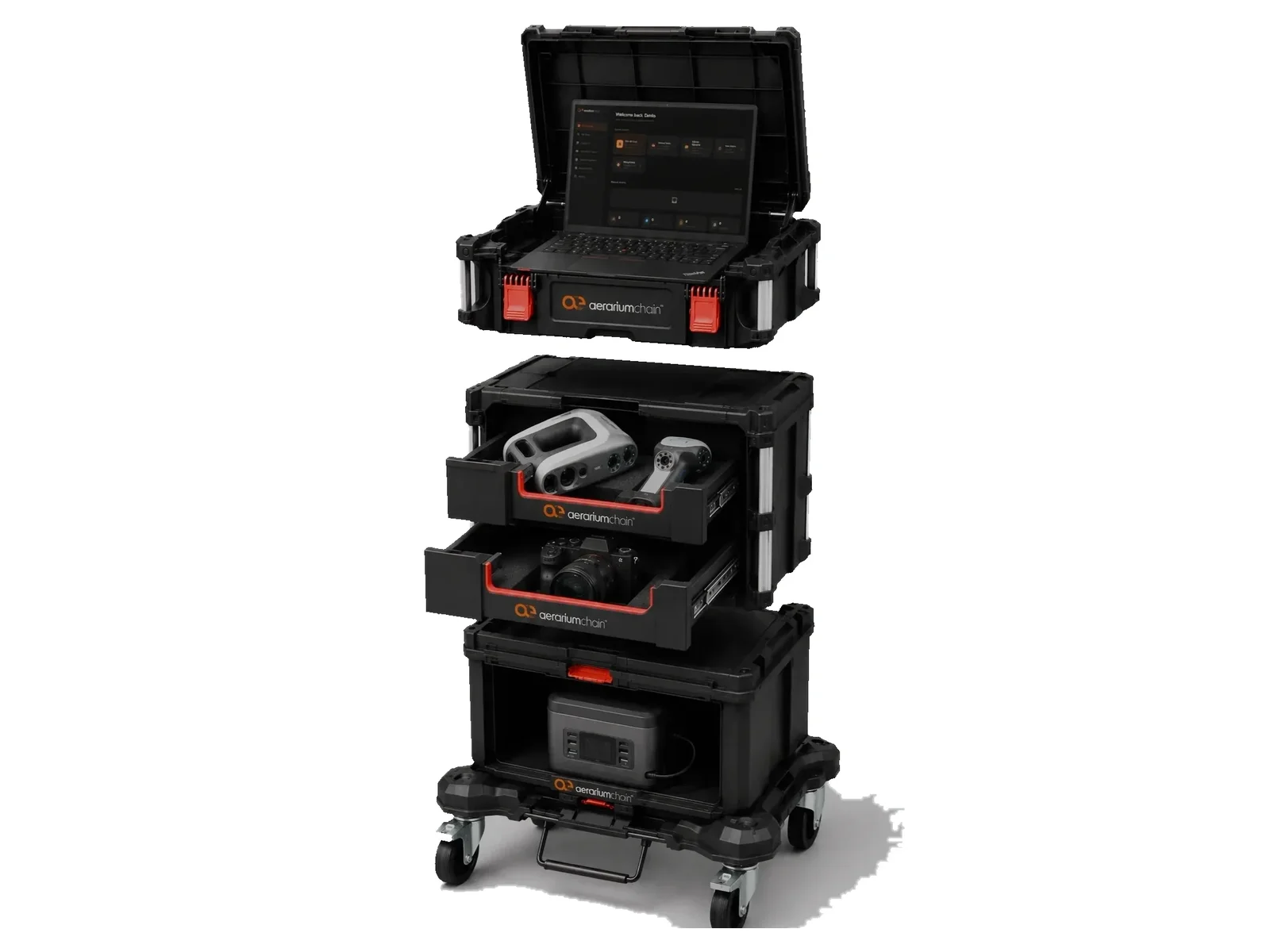
- The same technology. The kit, the HUB and the services for CARE, SHOW and FUND are exactly those used across our collections worldwide.
What a project looks like
- A first conversation with the director, the registrar and IT, to understand the collection, the priorities and the constraints of the building.
- A pilot on a selection of works, to see the twins in the HUB and decide together how to scale.
- The campaign. One operator captures around one hundred artworks a day, with 3D geometry down to 0.05 mm and 400-megapixel photography; data uploads from the room and is processed in the cloud.
- Use. Conservators compare scans over time, curators generate renders and prints, development teams build campaigns on the twins, all with roles and access set by the museum.
Planning a digitization project in North America? Talk to the team on the ground.
Who owns what
The rule does not change with geography: the institution owns every scan, model and derivative. AerariumChain operates the infrastructure and acquires no rights over the collection. Everything is private by default, and export in open formats is always available, so the museum is never locked in.
Let's meet
If you lead a museum, a collection or a foundation in the United States or Canada, we would like to hear about your collection and your next exhibitions. Write to us and a member of the North American team will get back to you.